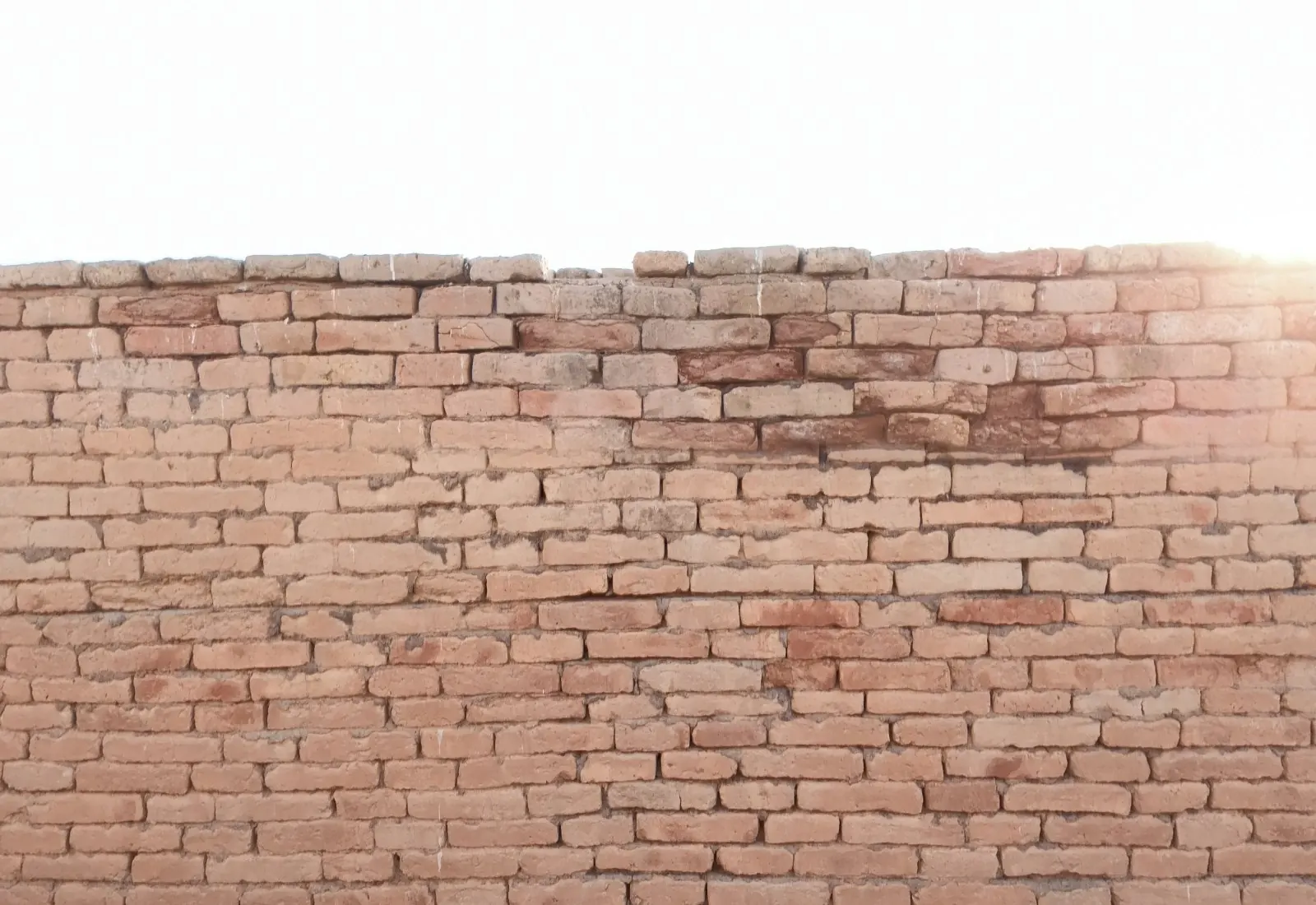
ذي قار · العراق · منذ نحو 4000 عام Dhi Qar · Iraq · Over 4,000 years old

زقورة أور The Ziggurat of Ur

في قلب سومر، حيث وُلدت المدن الأولى والكتابة والقانون، تقف زقورة أور شاهدًا على واحدة من أعظم حضارات التاريخ الإنساني. In the heart of Sumer — where the first cities, writing, and law were born — the Ziggurat of Ur stands as a witness to one of humanity's greatest civilizations.

~2100 ق.مc. 2100 BC تاريخ بناء الزقورةZiggurat built
64 × 46 م64 × 46 m أبعاد القاعدة تقريبًاApproximate base
~30 م~30 m الارتفاع الأصلي المقدَّرEstimated original height
2016 تراث عالمي لليونسكوUNESCO World Heritage

المدينةThe City

أور: من أعظم مدن سومرUr: One of Sumer's Greatest Cities

أور (بالسومرية «أوريم») مدينة سومرية عريقة تقع في محافظة ذي قار جنوب العراق، في الموقع المعروف اليوم بـ«تل المقيّر» — أي «تل القار» نسبةً إلى القار الذي استُخدم بكثرة في بنائها — على بُعد نحو 16 كم جنوب غرب مدينة الناصرية.

تعود بداياتها إلى نحو 3800 ق.م، وكانت في العصور القديمة مدينة ساحلية مزدهرة على ضفاف الفرات قرب رأس الخليج، ومركزًا تجاريًا ودينيًا بارزًا. بلغت أوج قوتها في عهد سلالة أور الثالثة، حين صارت عاصمة لدولة امتدت على معظم بلاد ما بين النهرين.

مع تغيّر مجرى نهر الفرات عبر القرون، فقدت المدينة شريانها المائي، فهُجرت تدريجيًا نحو 500 ق.م، وبقيت أطلالها مدفونة تحت الرمال حتى كشفت عنها التنقيبات الحديثة.

Ur (Sumerian "Urim") is an ancient Sumerian city in Dhi Qar Governorate in southern Iraq, at the site known today as Tell al-Muqayyar — "the mound of bitumen", after the bitumen used so widely in its buildings — about 16 km southwest of the city of Nasiriyah.

Its beginnings date to around 3800 BC. In antiquity it was a thriving port city on the Euphrates near the head of the Gulf, and a major center of trade and religion. It reached the height of its power under the Third Dynasty of Ur, when it became the capital of a state spanning most of Mesopotamia.

As the course of the Euphrates shifted over the centuries, the city lost its lifeline and was gradually abandoned around 500 BC. Its ruins lay buried under the sand until modern excavations brought them back to light.
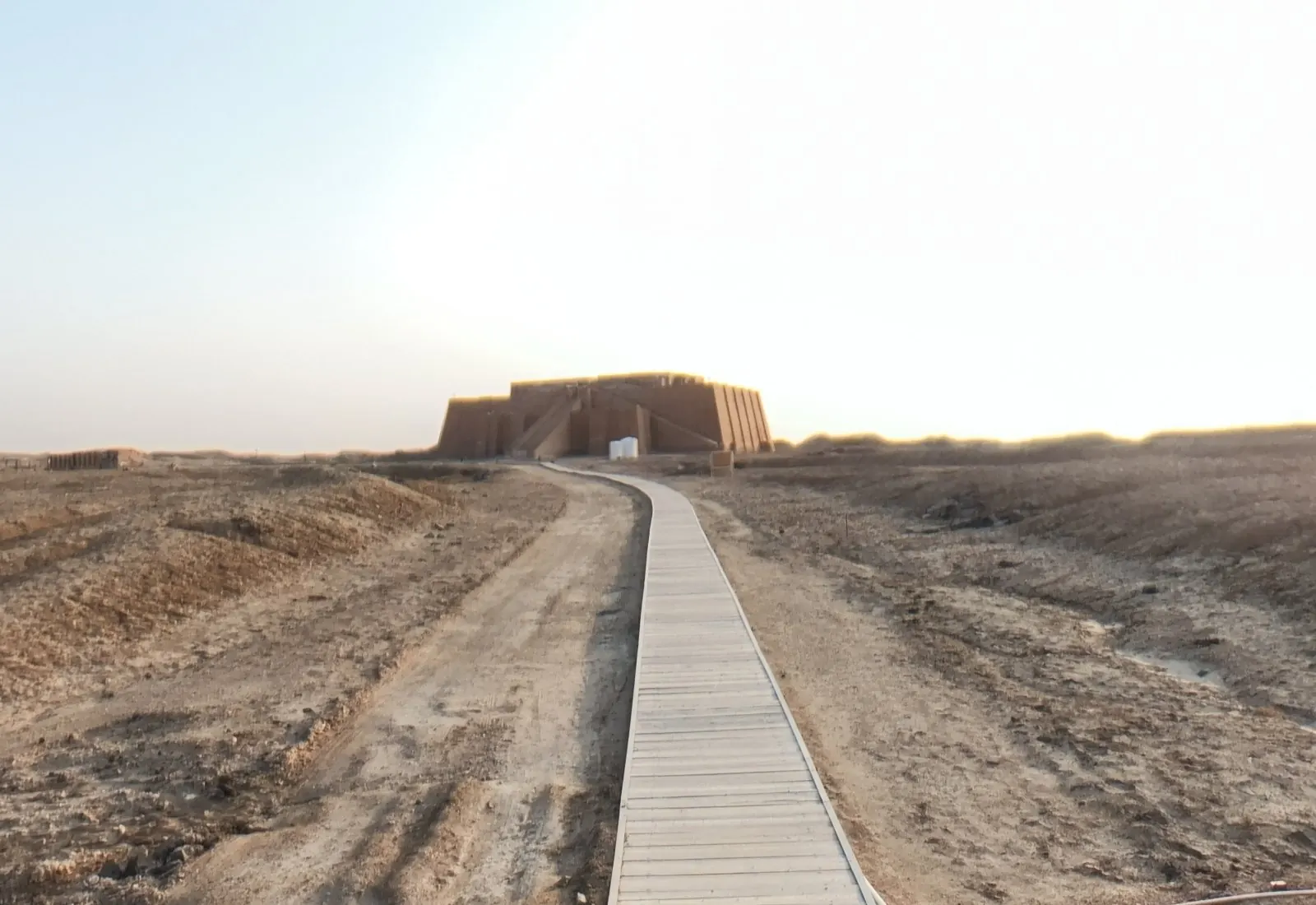
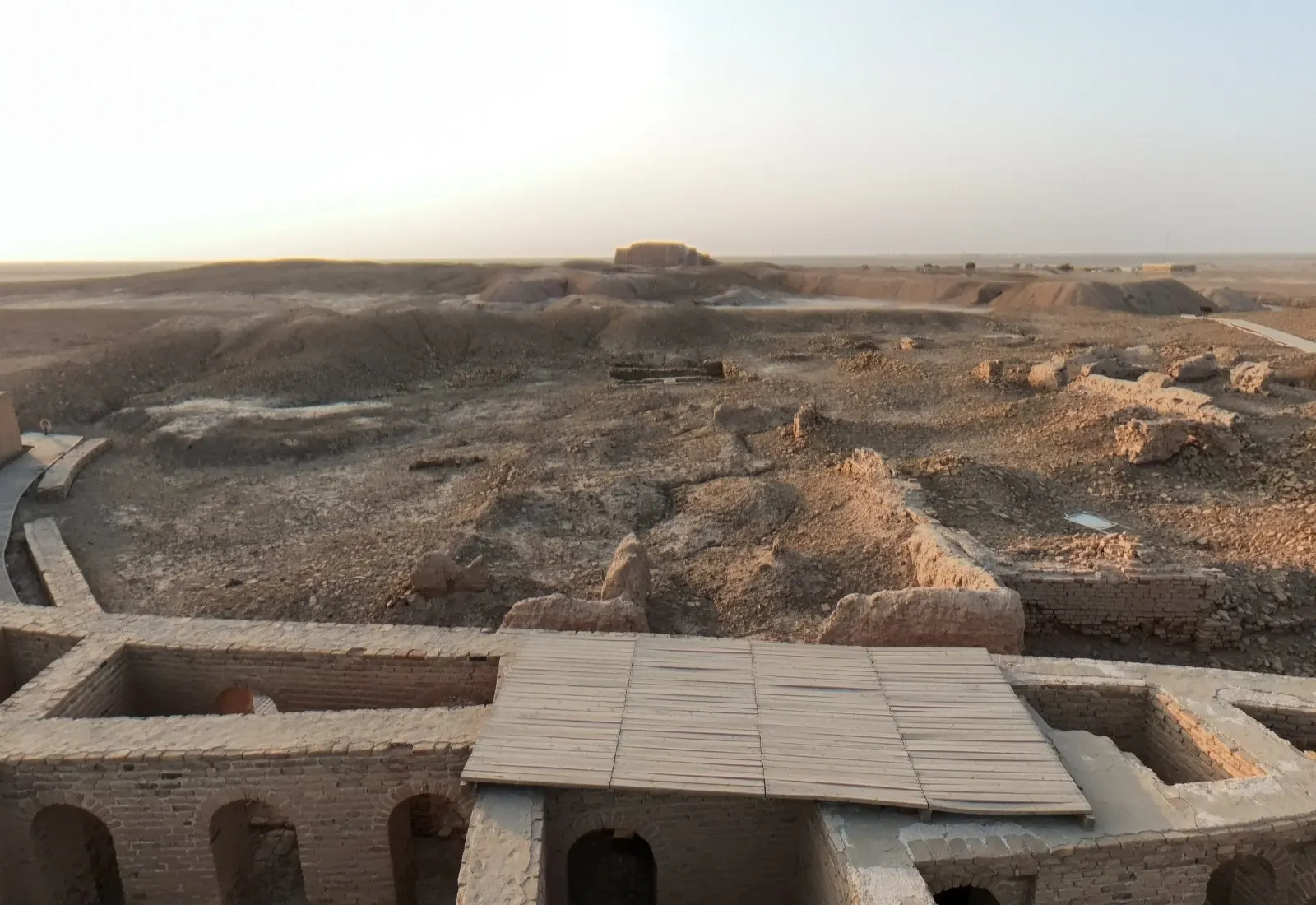
الطريق المؤدي إلى الزقورة عبر أطلال المدينةThe path to the ziggurat through the ruins of the city

المعبد العظيمThe Great Temple

الزقورة: جبل من الطوب نحو السماءThe Ziggurat: A Mountain of Brick Toward the Sky

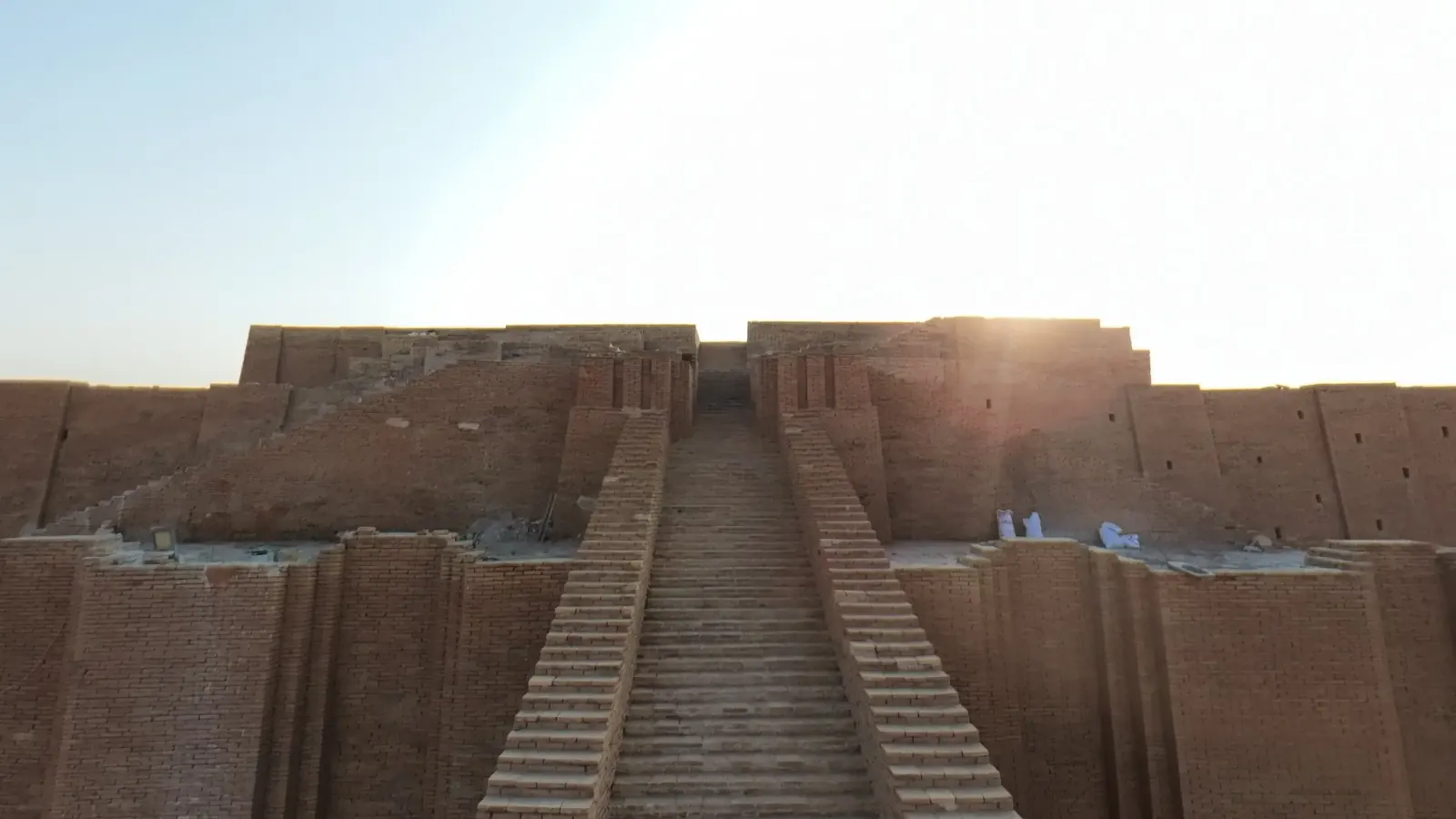
شيّد الملك أور-نمّو، مؤسس سلالة أور الثالثة، هذه الزقورة في القرن الحادي والعشرين قبل الميلاد، وأكمل بناءها ابنه شولكي. كرّسها لإله القمر «نانا» (سين) حامي المدينة، وكان معبده يعلو قمتها. King Ur-Nammu, founder of the Third Dynasty of Ur, built this ziggurat in the 21st century BC, and his son Shulgi completed it. It was dedicated to the moon god Nanna (Sin), patron of the city, whose shrine crowned its summit.

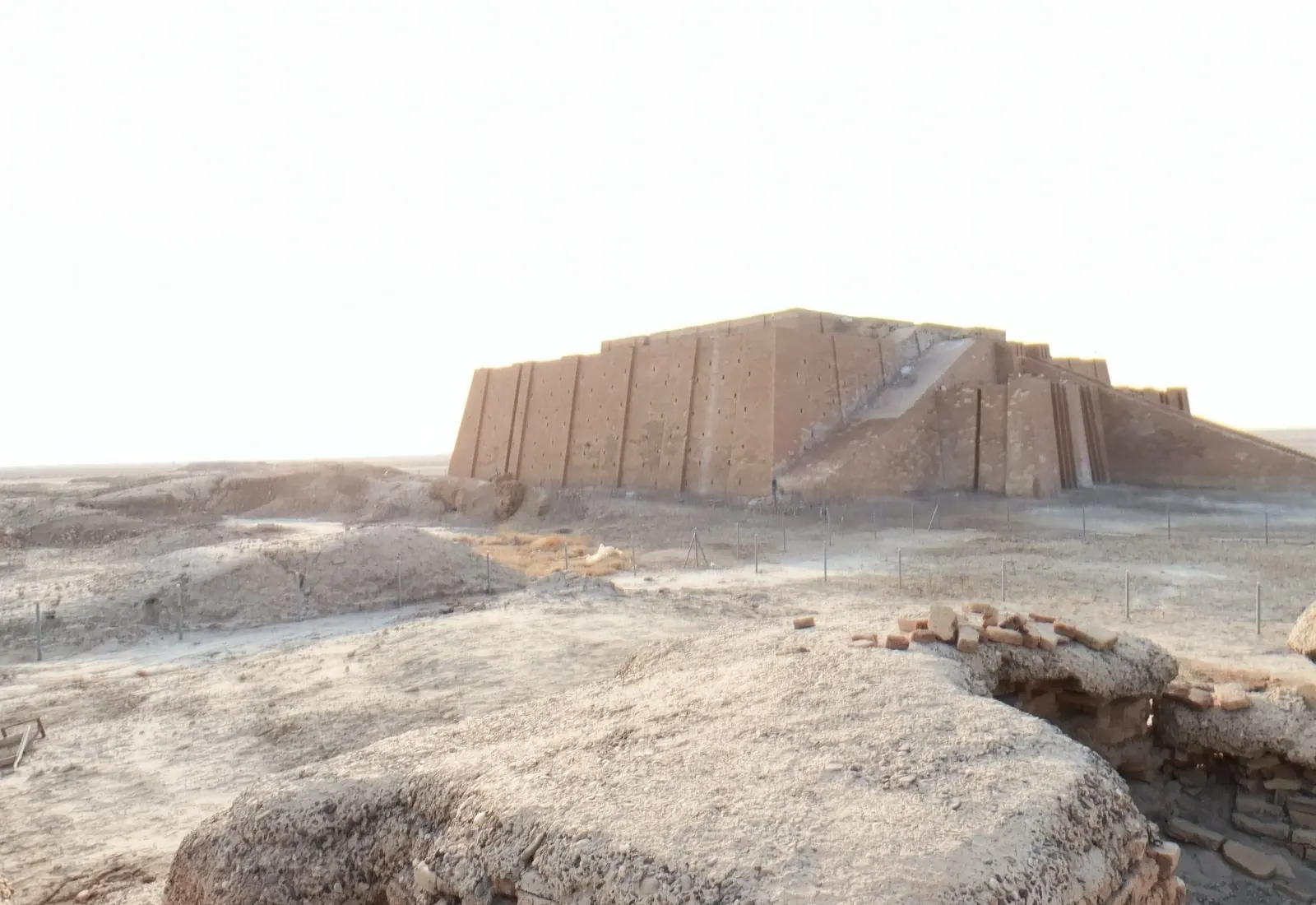
الزقورة كما تبدو من بين أطلال المدينةThe ziggurat seen from among the city's ruins
البانيBuilt byأور-نمّو، وأكملها شولكيUr-Nammu, completed by Shulgi
الفترةPeriodالقرن 21 ق.م (سلالة أور الثالثة)21st century BC (Ur III)
مكرّسة لـDedicated toإله القمر نانا (سين)The moon god Nanna (Sin)
القاعدةBaseنحو 64 × 46 مترًاAbout 64 × 46 meters
الارتفاع الأصليOriginal heightنحو 30 مترًا (تقديري)About 30 meters (estimated)
مواد البناءMaterialsلبّ من الطوب اللبن وغلاف من الآجر المشوي مثبّت بالقارMud-brick core, faced with fired brick set in bitumen

السلالم الثلاثةThe Three Stairways

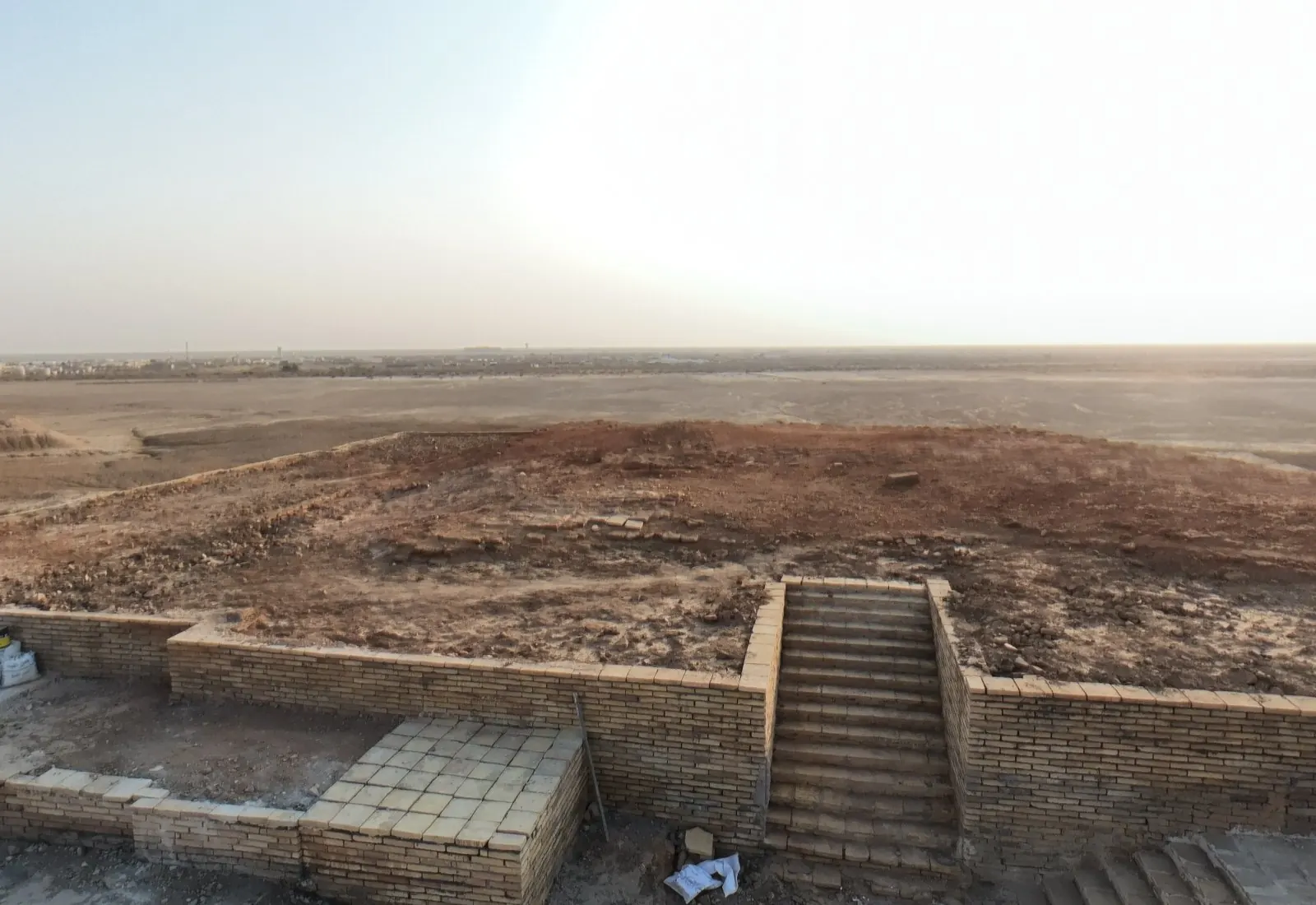
ثلاثة سلالم ضخمة على الواجهة الشمالية الشرقية — واحد عمودي في الوسط واثنان جانبيان — تلتقي عند بوابة تقود إلى المستويات العليا.Three monumental stairways on the northeast face — one central and two lateral — converge at a gateway leading to the upper levels.

فتحات التصريفThe Weep Holes

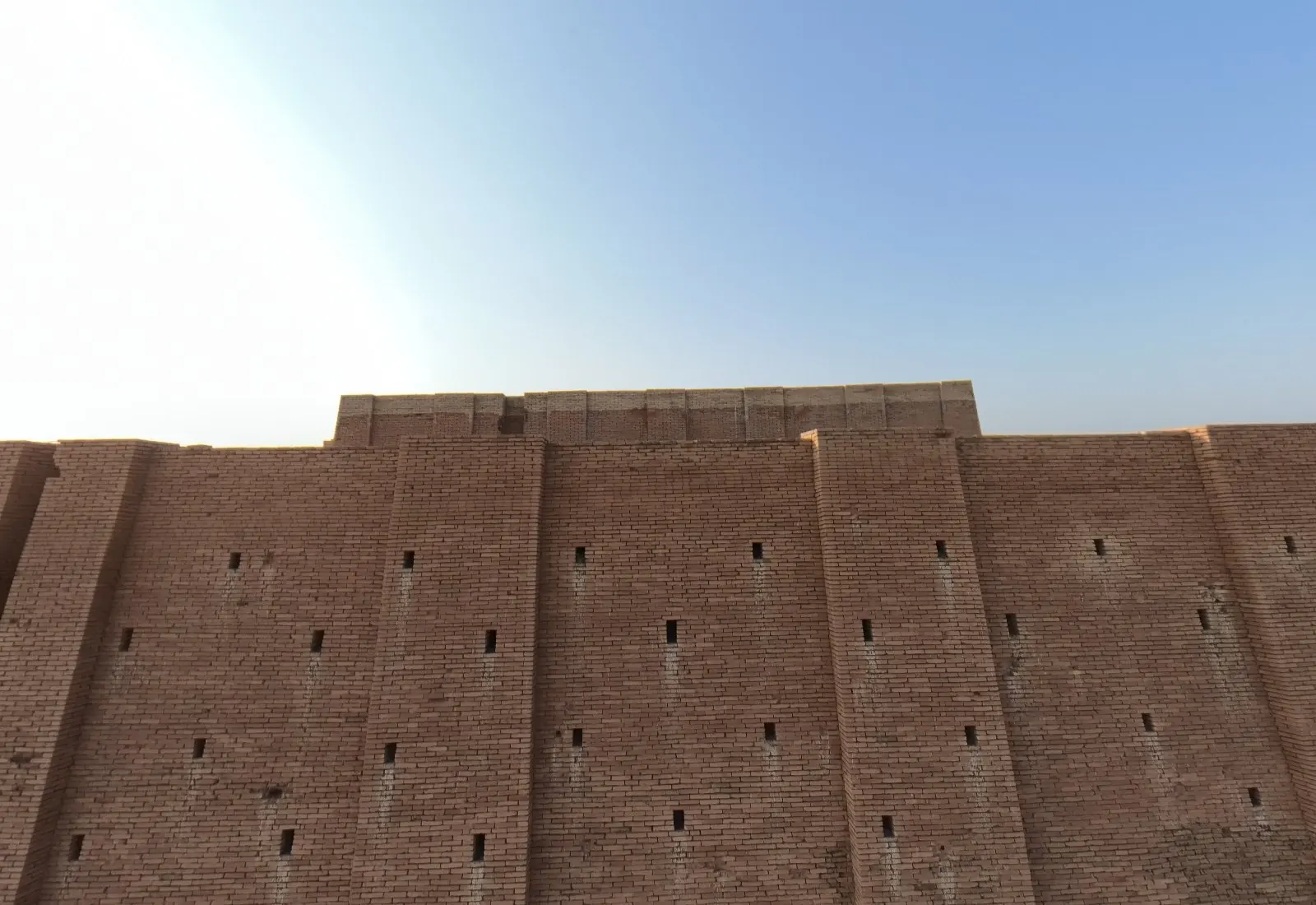
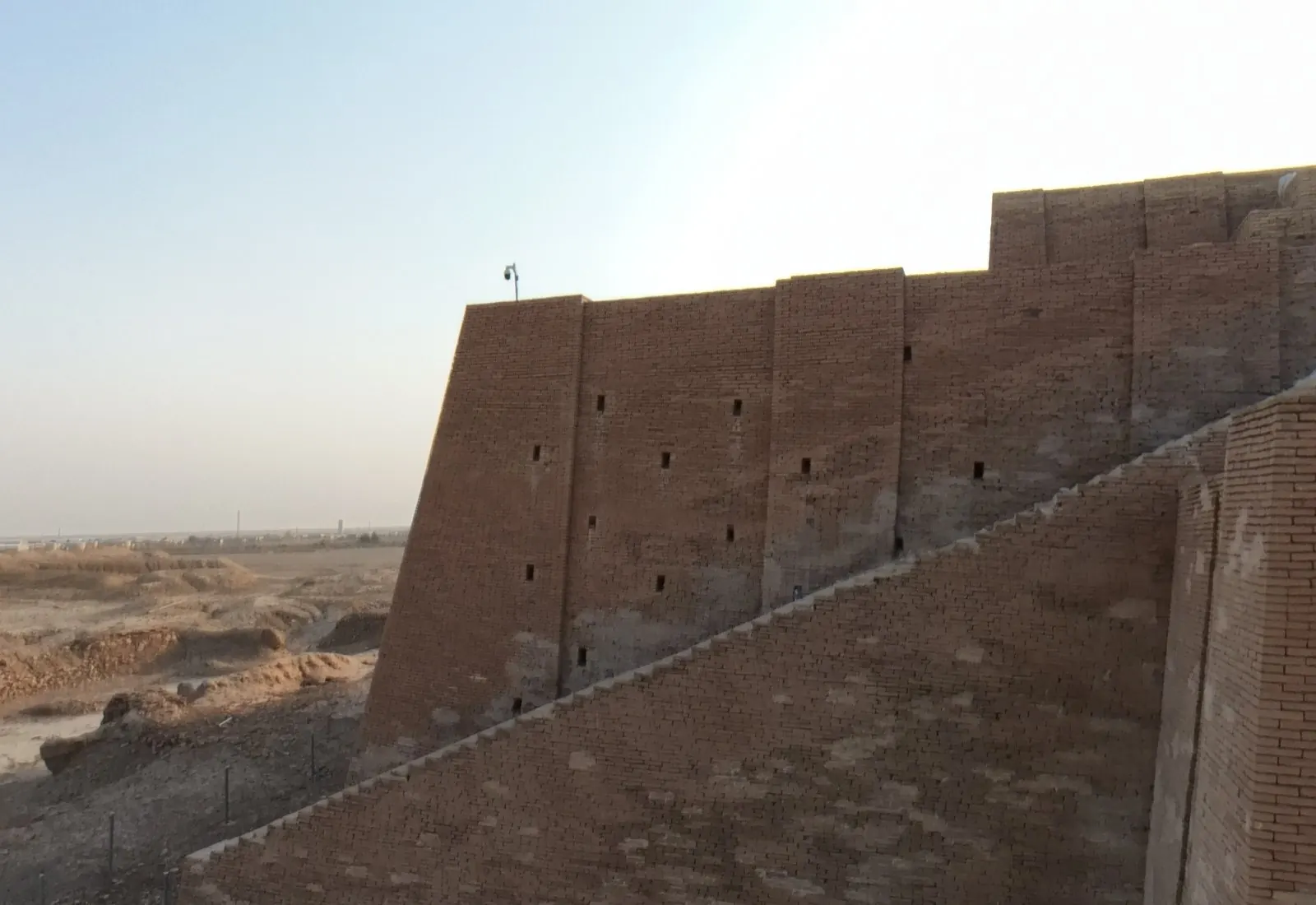
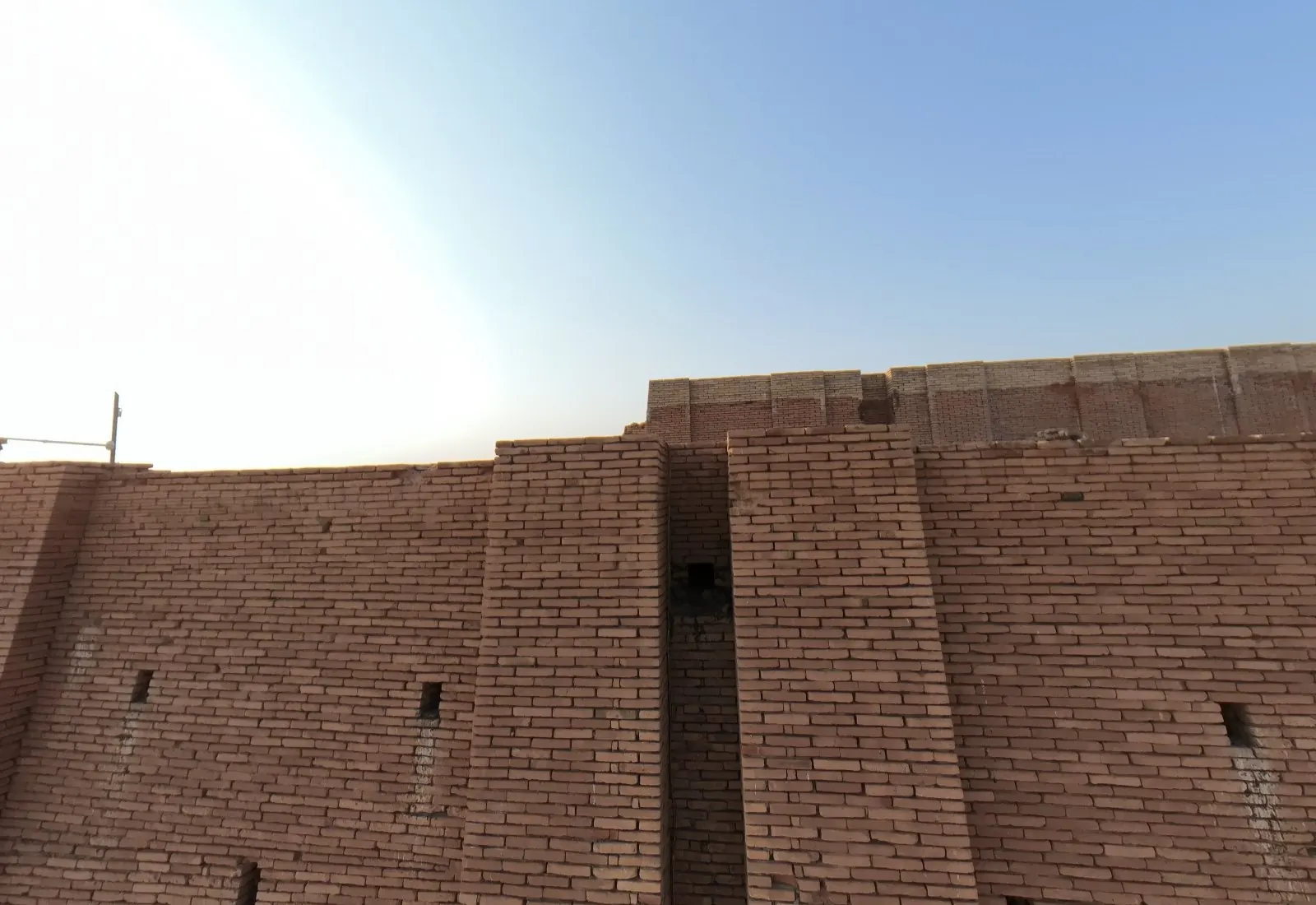
الفتحات الصغيرة المنتشرة في الجدران ليست زخرفة: إنها قنوات لتصريف الرطوبة من اللبّ الطيني الداخلي كي لا يتفتّت البناء — حلّ هندسي عبقري عمره أكثر من 4000 عام.The small openings dotting the walls are not decoration: they drained moisture from the inner mud-brick core so it would not crumble — an ingenious engineering solution over 4,000 years old.

الجدران المائلةThe Sloping Walls

صُمّمت الجدران بميل خفيف ودعامات بارزة تمنحها متانة وإحساسًا بالارتفاع، فتبدو الزقورة من بعيد كجبل مقدّس يربط الأرض بالسماء.The walls were built with a slight batter and projecting buttresses that give strength and a sense of height, making the ziggurat look like a sacred mountain linking earth and sky.

عبر العصورThrough the Ages

خطّ زمني لأورA Timeline of Ur

  1. بدايات المدينةThe City Begins

    تنشأ أور مستوطنةً على ضفاف الفرات قرب رأس الخليج.Ur emerges as a settlement on the Euphrates near the head of the Gulf.

  2. المقبرة الملكيةThe Royal Cemetery

    حقبة المقبرة الملكية وسلالة أور الأولى، بكنوزها الذهبية الشهيرة ومنها كنوز الملكة بو-آبي.The era of the Royal Cemetery and the First Dynasty of Ur, with its famous golden treasures, including those of Queen Puabi.

  3. أور-نمّو وسلالة أور الثالثةUr-Nammu and the Third Dynasty

    يؤسس أور-نمّو سلالة أور الثالثة ويبدأ بناء الزقورة، وتُنسب إليه «شريعة أور-نمّو»، أقدم مدوّنة قانونية معروفة.Ur-Nammu founds the Third Dynasty of Ur and begins the ziggurat. The "Code of Ur-Nammu", the oldest known law code, is attributed to him.

  4. سقوط أورThe Fall of Ur

    يجتاح العيلاميون المدينة وتنهار السلالة، ويخلّد الأدب السومري الحدث في قصيدة «رثاء أور».The Elamites sack the city and the dynasty collapses — an event immortalized in the Sumerian poem "Lament for Ur".

  5. ترميم نبونيدNabonidus Restores It

    الملك البابلي نبونيد يرمّم الزقورة ويعيد إحياء عبادة نانا فيها.The Neo-Babylonian king Nabonidus restores the ziggurat and revives the cult of Nanna.

  6. هجر المدينةAbandonment

    يتحوّل مجرى الفرات بعيدًا، فتُهجر أور تدريجيًا وتغطيها الرمال.The Euphrates shifts away and Ur is gradually abandoned to the sand.

  7. تنقيبات ليونارد ووليLeonard Woolley's Excavations

    بعثة مشتركة بين المتحف البريطاني وجامعة بنسلفانيا تكشف الزقورة والمقبرة الملكية وأحياء المدينة.A joint British Museum–University of Pennsylvania expedition uncovers the ziggurat, the Royal Cemetery, and the city's quarters.

  8. تراث عالميWorld Heritage

    إدراج أور ضمن قائمة التراث العالمي لليونسكو، مع أهوار جنوب العراق ومدينتي الوركاء وأريدو.Ur is inscribed on the UNESCO World Heritage List, together with the Marshes of Southern Iraq and the cities of Uruk and Eridu.

  9. زيارة تاريخيةA Historic Visit

    البابا فرنسيس يزور أور ويعقد لقاءً بين الأديان في مدينة النبي إبراهيم.Pope Francis visits Ur and holds an interfaith meeting in the city of the Prophet Abraham.

إرث روحيA Spiritual Legacy

مدينة النبي إبراهيمThe City of Prophet Abraham

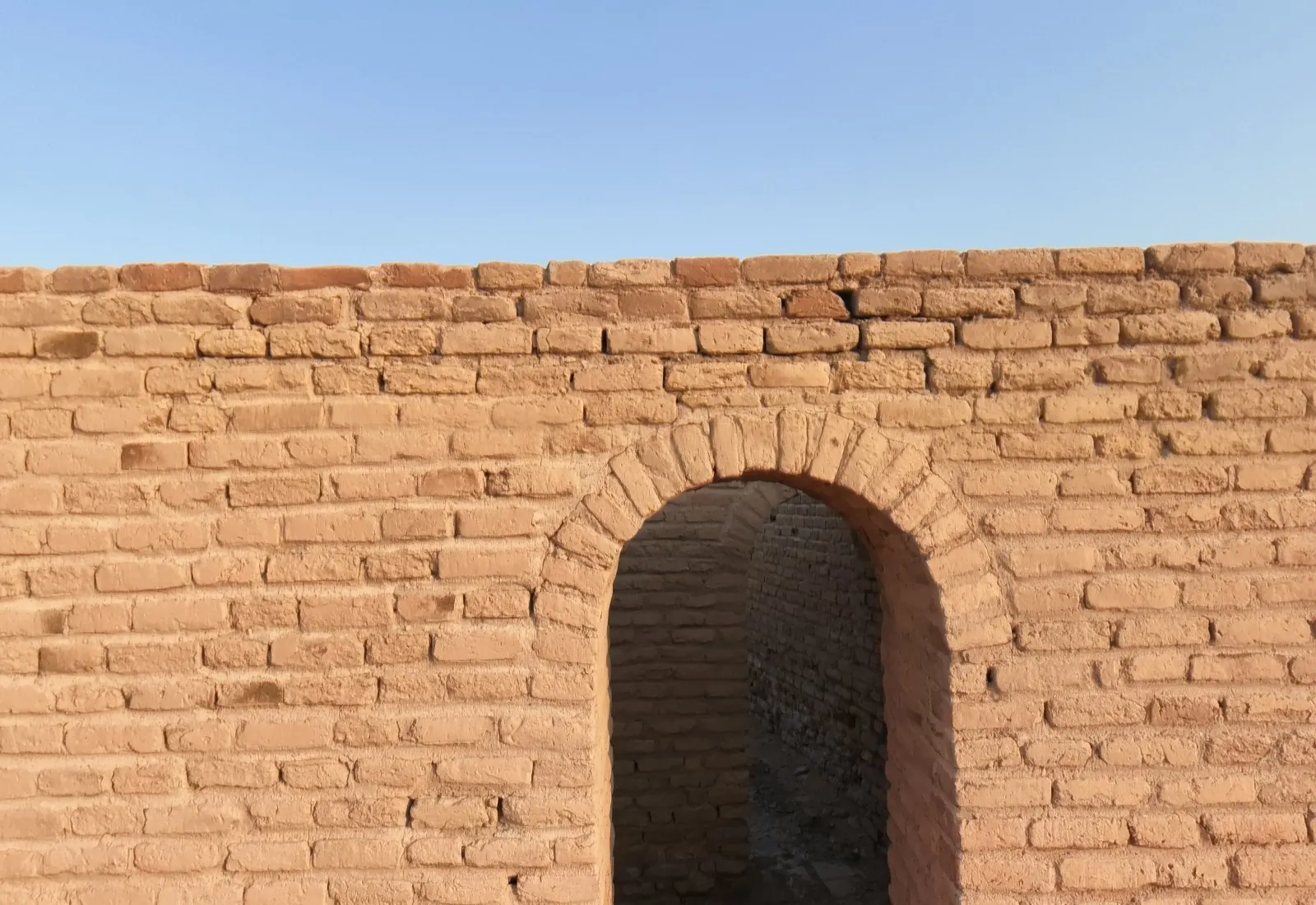
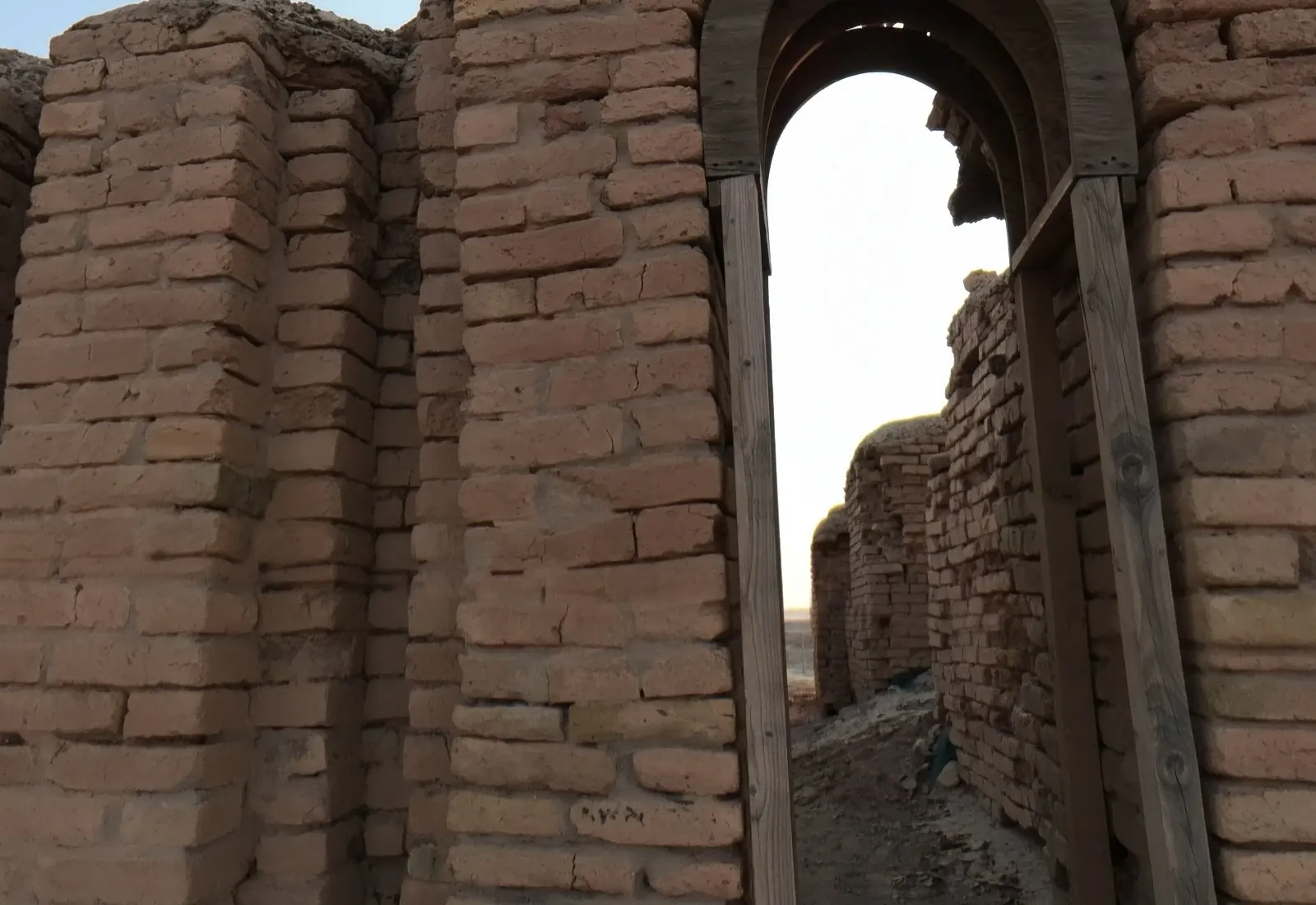
يربط التقليد الديني أور بموطن النبي إبراهيم عليه السلام، «أور الكلدانيين» المذكورة في التوراة، ما يجعلها مكانًا ذا مكانة خاصة لدى أتباع الديانات الإبراهيمية. ويُعرف أحد الأحياء السكنية المكتشفة قرب الزقورة محليًا بـ«بيت النبي إبراهيم»، بجدرانه من الآجر وممراته المقوّسة.Religious tradition links Ur with the homeland of the Prophet Abraham — the "Ur of the Chaldees" of the Bible — giving it special significance for followers of the Abrahamic faiths. One of the excavated residential quarters near the ziggurat is known locally as the "House of Prophet Abraham", with its fired-brick walls and arched passages.

تجوّل في المكان بتقنية 360°Explore it in 360°

المقبرة الملكيةThe Royal Cemetery

كنوز خرجت من تراب أورTreasures from the Soil of Ur

كشفت تنقيبات المقبرة الملكية عن مئات المدافن، بينها مقابر ملكية بالغة الثراء، خرجت منها روائع فنية تُعرض اليوم في كبرى متاحف العالم.Excavations of the Royal Cemetery revealed hundreds of burials, including extraordinarily rich royal tombs, whose masterpieces are now displayed in the world's great museums.

راية أورThe Standard of Ur

صندوق مطعّم باللازورد والصدف يصوّر مشهدي «الحرب» و«السلم».A box inlaid with lapis lazuli and shell depicting scenes of "War" and "Peace".

المتحف البريطانيBritish Museum

تاج الملكة بو-آبيQueen Puabi's Headdress

إكليل ذهبي من أوراق وأزهار ذهبية، من أشهر المكتشفات في المقبرة الملكية.A golden headdress of gold leaves and flowers — one of the most famous finds of the Royal Cemetery.

متحف بن، فيلادلفياPenn Museum, Philadelphia

القيثارة الذهبيةThe Golden Lyre

قيثارات يزيّنها رأس ثور من الذهب واللازورد، من أقدم الآلات الموسيقية الوترية المعروفة.Lyres adorned with a bull's head of gold and lapis lazuli — among the oldest known stringed instruments.

المتحف العراقي وغيرهIraq Museum and others

لعبة أور الملكيةThe Royal Game of Ur

لوح لعبة من أقدم ألعاب الطاولة في العالم، فُكّت قواعدها من لوح مسماري لاحق.One of the world's oldest board games; its rules were deciphered from a later cuneiform tablet.

المتحف البريطانيBritish Museum
360°

قف عند أقدام الزقورة… من أي مكان في العالمStand at the foot of the ziggurat… from anywhere in the world

جولة واقع افتراضي بـ16 مشهدًا بانوراميًا عالي الدقة، التُقطت داخل الموقع الأثري. اسحب لتنظر حولك، وتنقّل بين المشاهد كأنك تمشي هناك.A virtual reality tour of 16 high-resolution panoramic scenes captured on site. Drag to look around and move between scenes as if you were walking there.

جولة الواقع الافتراضيVirtual Reality Tour

خطّط لرحلتكPlan Your Trip

زيارة أورVisiting Ur

الموقعLocation

تل المقيّر، محافظة ذي قار، على بُعد نحو 16 كم جنوب غرب الناصرية، جنوب العراق.Tell al-Muqayyar, Dhi Qar Governorate, about 16 km southwest of Nasiriyah, southern Iraq.

افتح في خرائط Google ←Open in Google Maps →

أفضل وقت للزيارةBest Time to Visit

من أكتوبر إلى أبريل حين يكون الطقس معتدلًا. تجنّب ظهيرة أشهر الصيف شديدة الحرارة، وأجمل الأوقات عند الشروق والغروب.October to April, when the weather is mild. Avoid midday in the very hot summer months — sunrise and sunset are the most beautiful times.

نصائحTips

ارتدِ حذاءً مريحًا للمشي، واحمل الماء وواقي الشمس، وحافظ على الآثار: لا تتسلق الجدران القديمة ولا تأخذ أي حجارة أو طوب.Wear comfortable walking shoes, bring water and sun protection, and respect the site: don't climb ancient walls or take any stones or bricks.